Leading Insights on Memory Care: Enhancing Safety, Comfort, and Involvement for Seniors
Memory care for senior citizens with cognitive problems needs a thoughtful strategy. Creating encouraging and safe atmospheres is essential. Equally vital are customized care plans and specialized staff training. Involving activities can cultivate links and cognitive interaction. The assimilation of cutting-edge technologies additionally plays a substantial function. Understanding how these aspects work together can result in better lifestyle for elders. What are the essential variables that genuinely make a distinction in memory care?
Understanding Memory Care: Secret Principles and Interpretations
When thinking about the intricacies of memory care, it is necessary to realize the foundational principles and meanings that form this customized area. Memory Care Charlotte. Memory care particularly deals with the requirements of people with cognitive impairments, such as Alzheimer's disease and various other kinds of mental deterioration. This approach incorporates tailored programs, treatments, and support group focused on improving the high quality of life for influenced seniors. Secret components include individualized care plans, which focus on personal histories and preferences, along with specialized team training to effectively manage behavior obstacles. Furthermore, memory care highlights the importance of maintaining social links and motivating cognitive involvement through purposeful tasks. Understanding these core principles enables caretakers and households to navigate the intricacies of memory care with better compassion and performance
Creating Safe and Encouraging Environments
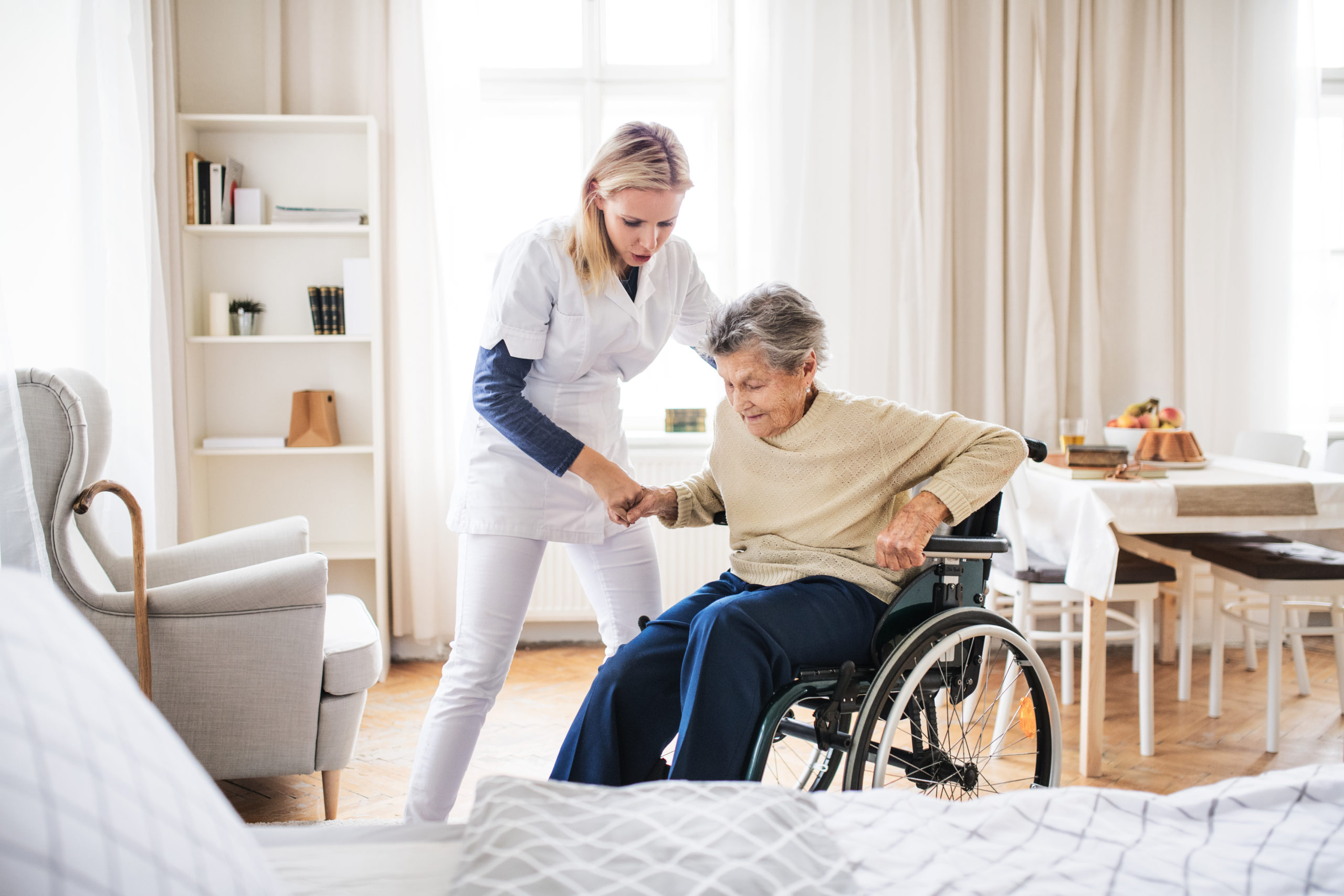
Creating safe and supportive settings is important for people in memory care. Key considerations consist of protected design planning, the production of sensory-friendly rooms, and effective wayfinding and signs. These aspects collaborate to improve the well-being and convenience of citizens.
Safeguard Layout Planning
Creating a protected format for memory care centers is important for cultivating a supportive and risk-free setting for homeowners. Thoughtful design decreases dangers, such as making sure smooth adjustments between areas and utilizing non-slip floor covering to stop falls. Clear signs and color-coded pathways can help citizens in traversing the atmosphere separately, reducing complication and anxiety. Additionally, integrating secure exterior rooms encourages safe involvement with nature while minimizing the threat of straying. The design ought to prioritize presence for team, allowing them to check homeowners properly while promoting a feeling of community. Overall, a well-planned secure design not just improves security but also sustains the self-respect and autonomy of individuals living with memory impairments.
Sensory-Friendly Spaces
A safe layout can act as a structure for developing sensory-friendly spaces within memory care centers. These atmospheres focus on the sensory requirements of homeowners, making use of design aspects that advertise comfort and reduce anxiety. Soft lights, soothing shades, and natural materials can create a calming atmosphere that encourages relaxation. Including sensory stations with responsive objects or soothing audios can promote engagement and provide healing advantages. In addition, minimizing too much noise and mess assists to develop a serene setting, allowing citizens to feel safe and safe. Thoughtful landscape design, such as gardens with aromatic plants, can likewise boost sensory experiences. Ultimately, these design selections add to the total well-being of senior citizens, fostering a sense of belonging and serenity.
Wayfinding and Signs
Reliable wayfinding and signage play a crucial function in enhancing the safety and independence of citizens within memory care facilities. Clear, user-friendly signs help individuals browse their atmosphere, reducing complication and stress and anxiety. Utilizing huge, high-contrast colors and understandable fonts can assist presence, while pictorial cues can boost understanding for those with cognitive impairments. In addition, positioning directional indicators at vital junctions and making use of regular symbols throughout the center promotes knowledge. Thoughtfully developed pathways, marked with unique sites, can provide citizens with recommendation points, advertising self-confidence in their motions. By incorporating these elements, memory care atmospheres can produce helpful rooms that encourage locals to discover securely, motivating freedom while minimizing the threat of disorientation or straying.
Methods for Enhancing Convenience and Wellness
While the challenges of memory care can be substantial, implementing targeted strategies to enhance comfort and well-being can profoundly impact individuals dealing with cognitive disabilities. Developing a relaxing atmosphere is important, including familiar things, soothing shades, and soft lighting to promote relaxation (Memory Care Charlotte). Normal routines can also assist minimize anxiety, supplying a feeling of security. Physical convenience should not be ignored; making sure appropriate seats, temperature control, and ease of access to personal products can considerably enhance day-to-day experiences. In addition, promoting social links through encouraging personnel communications and household gos to can aid people feel valued and comprehended. Generally, focusing on these techniques adds to an alternative method that improves the lifestyle for senior citizens in memory care settings
Advertising Involvement Via Meaningful Activities
Involvement in meaningful tasks plays an essential function in enhancing the lives of people in memory care. These tasks typically promote a feeling of objective and belonging, enabling senior citizens to get in touch with their previous experiences and find rate of interests. Integrating pastimes, such as horticulture, art, or music, can stimulate cognitive functions and advertise psychological health. Structured team tasks also motivate social communication, reducing feelings of isolation and boosting area bonds. Tailoring activities to individual preferences and abilities warranties that each local really feels valued and involved. Routine engagement in significant quests can enhance mood and cognitive engagement, adding to a higher quality of life. Overall, promoting involvement with these tasks is vital for the alternative care of seniors in memory care settings.
The Duty of Caregiver Training and Support
Compassionate caregiver training and assistance are fundamental parts in the successful shipment of memory care. Appropriately trained caretakers have the abilities essential to understand the one-of-a-kind needs of people with memory impairments, cultivating an environment of count on and safety and security. Training wikipedia reference programs typically stress techniques for effective communication, habits management, and psychological assistance, which are important for enhancing the top quality of care. Furthermore, continuous support for caretakers is considerable, as it helps prevent fatigue and promotes work satisfaction. Access to resources and peer networks can give caregivers with the support needed to resolve obstacles with confidence. By buying caregiver training and assistance, centers can guarantee that seniors get the compassionate, informed care that enhances their general health and top quality of life.
Relevance of Family Members Participation and Communication
Typically overlooked, family involvement and efficient communication play a vital role in the health of people getting memory care. Active participation from member of the family cultivates a complacency and belonging, which can greatly enhance the emotional wellness of elders. Regular interaction in between households and care service providers guarantees that individualized care plans mirror the requirements and preferences of the person. It additionally permits households to stay informed about their loved ones' progress and difficulties, helping with timely treatments when required. Furthermore, household involvement can aid bridge the gap between clients and caregivers, promoting a much more cohesive support system. Inevitably, by prioritizing interaction and participation, families can add to a more supportive and enriched setting for those in memory care.
Ingenious Technologies in Memory Care Solutions
Ingenious modern technologies are transforming memory care services, providing new opportunities for assistance and safety and security. Smart home devices and wearable wellness displays play an essential duty in boosting the well-being of people with memory impairments. These improvements not only assist in far better monitoring however likewise promote independence and a greater high quality of life.
Smart Home Gadgets
Smart home tools are revolutionizing the landscape of memory care by supplying tailored assistance for people with cognitive disabilities. These innovations boost security and self-reliance, allowing elders to browse their atmospheres more confidently. Smart sensing units can identify unusual activity or emergencies, informing caregivers quickly. Voice-activated assistants can assist users take care of day-to-day regimens, advising them to take medications or go to appointments. Furthermore, smart illumination systems can adjust automatically, lowering the danger of drops during the evening. Home automation fosters a sense of knowledge and convenience, as it can be customized to private preferences. Generally, these gadgets not just promote safety and security yet additionally improve the high quality of life for senior citizens, empowering them to continue to be engaged and linked within their homes.
Wearable Health Monitors

Often Asked Inquiries
What Are the Early Indications of Memory Decline in Senior Citizens?
Early indicators of memory decrease in senior citizens consist of regularly forgetting recent events, difficulty recalling names or acquainted locations, complication with time or days, and difficulties in following discussions or completing jobs that were when simple.
Exactly How Can I Select the Right Memory Care Center?
To pick the right memory care facility, one should think about team qualifications, safety functions, resident tasks, family members participation, and total setting. Visiting numerous centers and seeking recommendations can likewise supply important insights for notified decision-making.
What Monetary Support Options Are Offered for Memory Care?
Different monetary help choices for memory care consist of Medicaid, professionals' advantages, long-lasting care insurance policy, and state-specific programs. Family members should explore these methods to alleviate the financial worry related to specialized memory care solutions for senior citizens.
How Can I Assistance a Loved One With Memory Problems in the house?
Sustaining an enjoyed one with memory concerns in your home involves keeping a regular, producing a safe environment, making use of tips, taking part in meaningful tasks, and promoting open communication to improve their comfort and emotional health.
What Should I Consider When Seeing a Memory Care Center?
When visiting a memory care facility, one need to think about the team's training, precaution, engagement tasks, sanitation, and the total atmosphere. Memory Care Charlotte. Additionally, observing interactions between locals and staff can supply valuable understandings into the setting
Memory care for senior citizens with cognitive impairments calls for a thoughtful approach. Designing encouraging and safe atmospheres is essential for individuals in memory care. Efficient wayfinding and signs play a necessary role in improving the safety and self-reliance of homeowners within memory care facilities. While the obstacles of memory care can be significant, executing targeted techniques to boost convenience and wellness can greatly influence individuals living with cognitive problems. Numerous economic support options for memory care include Medicaid, experts' benefits, lasting care insurance, and state-specific programs.
Comments on “A practical guide to transitioning into Memory Care Charlotte”